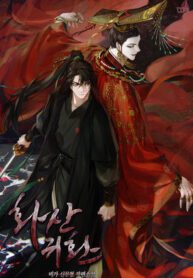
Long before its name became one spoken only with a sigh of lament, the Great Mount Hua Sect stood at the center of the martial world. It was not a sect that needed constant attention or praise. Its reputation came from years of discipline, bloodshed, and results that spoke louder than titles ever could. From that lineage came Chungmyung, the thirteenth disciple—later known as the Plum Blossom Sword Master, and widely regarded as one of the strongest third-generation swordsmen of his era.
The time he lived in was brutal. When the Heavenly Demon appeared, the martial world was dragged into a war it could barely survive. Sect alliances collapsed, families disappeared, and entire regions were left empty. Cultivators fought until their bodies gave out because there was no safer option. Chungmyung was part of that chaos, not chasing honor, but simply doing what had to be done. The war ended in the Hundred Thousand Great Mountains, where he struck down the Heavenly Demon after countless battles that had already pushed him past his limits.
That moment became legend. What came after it rarely did.
By then, Chungmyung’s body was already ruined. He collapsed soon after the final battle, falling into a deep sleep that no one expected to end. The world moved forward. Victories were recorded, names were remembered. Mount Hua, however, paid the price. The sect was nearly wiped out, its strength and influence disappearing alongside the people who once upheld it.
More than a hundred years passed.
When Chungmyung opened his eyes again, he did not return as a hero. He woke up in the body of a child—weak, unfamiliar, and far removed from the battlefield. His strength was gone, but his memories were not. Every lesson, every mistake, every death he witnessed still remained with him.
What unsettled him most was not reincarnation itself, but what he learned next.
Mount Hua had fallen.
Not with dignity, and not in a way people respected. The sect had become something others laughed at. It survived with few disciples, limited resources, and almost no standing in the martial world. It existed more out of habit than conviction. For Chungmyung, that truth was harder to accept than his own death.
Mount Hua was not just a name or a symbol. It was where he learned to endure pain, where righteousness was tested rather than praised, and where people he trusted gave their lives without hesitation. Seeing it reduced to this felt like those sacrifices were being quietly erased.
Plum blossoms fall every year. That much is obvious. But they do not disappear just because winter is harsh. They endure it. They wait. That belief was at the heart of Mount Hua’s teachings, and Chungmyung had no intention of letting it fade away.
Reality, unfortunately, was not cooperative. He had returned young, broke, and surrounded by decay—disengaged disciples, shallow traditions, and a sect that looked close to collapsing. There was no shortcut back to relevance. No miracle waiting to happen. If Mount Hua was going to survive, it would only do so through effort, conflict, and time.
That is where the story truly begins.
Armed with experience shaped by war and loss, Chungmyung sets out to force Mount Hua back onto its feet. He is not patient. He is not gentle. He argues, pushes too hard, and refuses to lower his standards. Progress is messy, often resisted, and far from inspiring at first—but it is real.
This is not a story about instant revival or borrowed glory. It is about stubborn survival. About refusing to accept that something built through sacrifice should simply fade away. A reborn sword master, a broken sect, and a future that has yet to be decided.
The plum blossoms have not bloomed again.
But winter does not last forever.