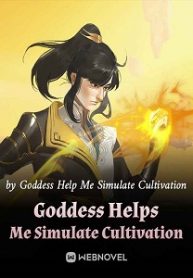
Most people who arrive in a cultivation world dream about becoming immortals.
Bai Yi gets stuck collecting rent.
After finding himself in a world filled with cultivators, spirit mountains, ancient sects, and all the things a transmigrator is supposed to be excited about, he discovers a rather inconvenient problem. He cannot cultivate. No hidden bloodline appears, no old master takes him in, and no forgotten inheritance falls into his lap. Compared to the geniuses constantly making headlines across the cultivation world, he is about as ordinary as a person can be.
For a while, that seems to be the end of the story.
Then a strange simulator enters his life.
At first, Bai Yi treats it exactly the way most people would. If a simulator offers a chance to experience an entirely different life and earn rewards afterward, surely becoming powerful cannot be that difficult.
The simulator disagrees.
In one life he barely survives childhood. In another, disaster arrives before he even understands where he is. Sometimes he spends years making careful plans only to watch everything collapse because of a mistake that seemed insignificant at the time. After enough failures, Bai Yi starts suspecting that fate may have developed a personal grudge against him.
The frustrating part is that every failed life teaches him something useful.
At first, every simulation feels like a waste of time. Bai Yi dies, collects whatever reward he can get, and starts over. After enough attempts, however, he notices that some names keep appearing, certain events repeat themselves, and opportunities he completely missed before become much easier to recognize.
The bigger surprise is that Bai Yi is not the only person whose future can be explored through the simulator.
However, cultivation world outside remains as dangerous as ever. Sects compete over resources, talented prodigies rise and fall, ancient legacies wait to be uncovered, and countless people spend their lives pursuing immortality. Bai Yi still lacks the qualifications that most cultivators take for granted, yet he now possesses something arguably more valuable, a way to observe possibilities that nobody else can see.
Much of the novel’s appeal comes from watching those possibilities collide.
Some simulated lives end in spectacular success. Others end so badly that even Bai Yi starts questioning his choices. Occasionally a single decision creates consequences that continue echoing long after the simulation itself has ended.
What begins as a desperate attempt to overcome a dead end gradually turns into something much larger, because after witnessing enough lifetimes, Bai Yi starts understanding a simple truth.
Talent matters.
Luck matters too.
But neither is quite as terrifying as someone who has already seen how the story might unfold.