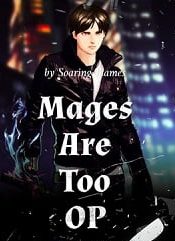
Roland is part of the first group of players to enter World of Falan, a game that isn’t just virtual reality but something much more. This isn’t like the VR games he’s used to, where you see and hear things that feel real enough. In Falan, you can feel the chill of air, the roughness of stone under your hands, and even pain—though thankfully dulled to a fraction of reality. It’s strange at first. You wonder, how far can a game really go before it stops feeling like a game? And yet, that’s exactly what makes it so different.
He chooses to be a Mage, expecting the usual experience: a few spells, some strategy, and maybe a challenge or two. But the moment he wakes up, Roland realizes the world isn’t holding anything back. He’s in a chapel-like room with a black statue looming above, a ritual table in front, and the cold of stone pressing against him. Even in the first few minutes, it’s clear—every detail is deliberate. The lighting, the texture, the atmosphere—this is more than a digital backdrop. It’s almost unsettling how real it feels. His Mage looks exactly like he imagined: robes, staff, the whole archetype. But beauty isn’t the same as ease.
Magic here is different. Dangerous, actually. Roland tries a spell, expecting a little flash or smoke, and instead—well, it goes wrong. Really wrong. His character explodes. And he thinks, okay, maybe that was a mistake. But wait—did the game just punish me this harshly for a first attempt? Most players would have rerolled by now, but something keeps him going. Could there be hidden depth here that most people miss?
Even outside the initial chaos, Falan doesn’t make things simple. Every region has its own language, and communication isn’t guaranteed. He meets Falken, an older priest with white robes and a tree symbol, and notices how he reacts—not like a standard NPC but like a person. Confused, cautious, expressive. It’s almost eerie. These characters don’t just respond on a script—they think, or at least, they act like they do. Roland finds himself wondering: are these truly artificial, or something else entirely?
The world itself is alive. Red Mountain Town, where he starts, has NPCs going about daily routines, talking, interacting, reacting to his presence. The streets aren’t just set pieces—they’re paths people actually “live” in. Outside town, the countryside is dangerous. Wildlife isn’t just decorative; it can hurt you. Roads are rough, conveniences of the modern world are gone, and the environment constantly reminds him that this isn’t a sandbox to stroll through.
Roland sticks with his Mage, even though it would be easier to switch classes. Most people quit at the first big failure, but he keeps asking himself: is the challenge part of what makes this worthwhile? Every spell that backfires, every small failure, is teaching him something the easier classes can’t. Maybe understanding magic here requires more patience, more observation, more thought.
The game’s setup is a bit strange, honestly. The NPCs don’t just stand around waiting for him—they’ve got their own routines, their own little lives going on inside this game(?). His choices actually affect both him and others. What he does—or even what he forgets to do—ends up affecting everyone else somehow. Whole villages, random strangers, even the local temple crowd—it all shifts because of his choice. His reputation and his relationships, the fallout from every decision—it all spreads out in ways he didn’t expect. And somewhere along the way, Roland starts to get it: being a real master isn’t just about grinding levels or hoarding gear. It’s about learning how to deal with people, with the world, without messing it all up too badly.
When he finally starts playing around with magic—testing spells, poking at the so-called system—he begins to notice little patterns. Tiny things other players might ignore. Suddenly, stuff that used to seem impossible starts looking… maybe doable. Every small win feels like proof that patience actually pays off. The game isn’t rewarding brute force—it’s rewarding curiosity. It’s about slowing down, paying attention, not rushing for shortcuts. And that same question keeps bugging him in the back of his head: maybe real mastery isn’t about avoiding the hard parts at all—maybe it’s about leaning into them.