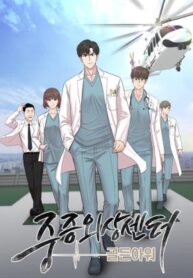
People like to praise South Korea’s medical system, especially when they talk about the biggest hospitals. On paper, everything looks impressive: advanced machines, famous specialists, spotless corridors. But once you actually step inside a place like Hanguk University Hospital, the picture changes. There’s a constant tension there, something you can’t quite point at but can feel right away. It’s in the way staff rush past without making eye contact, in the alarms that never fully stop, in the tired posture of doctors leaning against walls for a few seconds before moving again.
The emergency room is where that tension really shows. It isn’t dramatic in the way TV shows make it out to be. It’s messy, loud, and exhausting. Patients line up faster than beds can be cleared. Monitors beep until the sound fades into the background. Junior residents move on instinct more than confidence, and senior doctors barely have time to explain their decisions. Whether someone lives or dies often has less to do with effort and more to do with timing, staffing, and whether the right specialist happens to be available at that exact moment.
That’s the uncomfortable truth no brochure mentions. Trauma care isn’t just about skill. It’s about systems. And systems, especially large ones, don’t move quickly. Paperwork delays treatment. Protocols written years ago don’t always fit the situation in front of the doctor. Administrators worry about budgets, liability, and reputation while patients bleed on stretchers. Everyone knows the phrase golden hour—those critical sixty minutes when fast action can change everything—but knowing it doesn’t always mean being able to act on it.
This is the environment Dr. Baek Kanghyuk walks into every day. He isn’t fresh out of training, and he isn’t sheltered. He’s worked in war zones and disaster areas where there were no safety nets, no backup plans, no committees to ask for permission. Injuries were severe, choices were brutal, and hesitation cost lives. Coming back to a modern hospital, he expected better conditions. Instead, he found a different kind of battlefield.
What frustrates him most isn’t the blood or the broken bodies. It’s the resistance. Rules that exist because “that’s how it’s always been done.” Departments that protect their authority even when cooperation would save time. Senior figures who prefer avoiding blame over taking risks. In trauma care, playing it safe can be the most dangerous option of all.
Around him, the department keeps moving. Interns get their first real taste of fear when a patient crashes in front of them. Residents juggle ambition and burnout, slowly realizing that trauma surgery takes more than talent—it demands pieces of your life you never planned to give up. Older doctors carry the weight quietly. They remember cases that went wrong, patients they couldn’t save, moments when they followed the rules and regretted it afterward.
Baek Kanghyuk doesn’t fit neatly into this structure. He asks questions others avoid. He pushes for faster decisions, simpler chains of command, fewer unnecessary delays. That doesn’t make him popular. Challenging the system never does. But he isn’t doing it for recognition or rebellion. He’s doing it because he’s seen what happens when seconds are wasted.
Inside Hanguk University Hospital, life and death aren’t abstract ideas. They share the same rooms, the same hallways, sometimes the same minute. Doctors, patients, and administrators are all trapped inside a machine that doesn’t always work the way it should. And as long as that’s true, Baek Kanghyuk keeps fighting—not just injuries, but the system itself—trying to carve out enough space in the golden hour for people to survive.