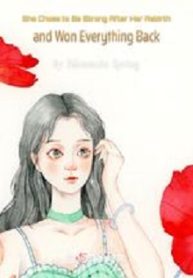
Qu Zhi spent her entire adulthood believing that if she gave enough, her family would eventually understand her worth. She left behind her own ambitions, poured everything into her husband, raised two daughters with barely a thought for herself, and never hesitated whenever relatives needed help. By the time illness left her fighting for her life, she expected nothing grand, maybe just a little concern from the people she had lived for. What she received instead was silence. Her son chose his wedding over visiting the hospital, her daughters treated her passing as an inconvenience, and even after her death, the family she had held together moved on far more easily than she ever imagined. Then fate gives her something she never asked for, she opens her eyes in 1990, years before everything fell apart, when her eldest daughter is still young and her second child hasn’t even been born.
The memories refuse to fade, making every familiar face difficult to look at in quite the same way. The husband who still smiles at her is the same man who will slowly leave every burden on her shoulders, the children she loves with all her heart will one day grow into strangers, and the home she once treasured is built on sacrifices nobody remembers. Qu Zhi doesn’t wake up with dreams of revenge or divorce, because she already knows life is rarely that simple. She wants something much harder, a future where she doesn’t disappear while taking care of everyone else.
That decision quietly changes everything. She stops apologizing for spending money on herself, refuses to carry every responsibility alone, and starts noticing problems she completely missed in her previous life. Her eldest daughter’s growing insecurities, the endless expectations placed on her as a wife, even the habits that slowly turned her marriage into an unequal partnership, none of them happen overnight, and this time Qu Zhi refuses to pretend they aren’t happening. Some mistakes can still be avoided, others have already begun, leaving her to wonder how much of the future can actually be rewritten.
Watching Qu Zhi rebuild herself becomes just as satisfying as watching her rebuild her family. She learns to dress for herself again, finds confidence she buried years earlier, and gradually gains the financial independence she once believed was unnecessary. Those choices seem small at first, but they quietly change the people around her, especially her children, who grow up with a very different mother than the one they had before. Even her husband is forced to face a version of Qu Zhi who no longer mistakes endless sacrifice for love.
The novel never hides how painful parts of this journey can be. Qu Zhi remembers exactly how her first life ended, and that knowledge stays with her from beginning to end. Every happy moment carries the weight of what she lost before, making even ordinary family scenes feel meaningful because the reader already knows what almost happened. Instead of chasing dramatic revenge, the story finds its strongest moments in quieter victories, a mother protecting her daughter before old wounds can form, a woman choosing herself without abandoning the people she loves, and a second life that slowly proves regret doesn’t have to be the final chapter.