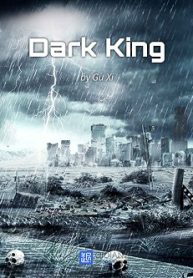
Most people inside the giant walls never think about the world that came before them, because survival leaves very little room for history. They work, follow the rules, and accept that the walls are the center of everything that matters.
Du Dian knows that is a lie from the moment he opens his eyes.
He remembers another age entirely, a world that existed long before these walls were built, and the story reveals early on that a catastrophe destroyed that civilization before he somehow survived into the distant future. Centuries have passed, everyone he ever knew is dead, and even the language around him sounds wrong.
His new life begins in a crowded orphanage where the children care about food, blankets, and whether a family will choose them before they become too old to be wanted. Du Dian talks as little as possible because listening is more useful, as stated by others. The adults make promises that change depending on who is watching…
Leaving the orphanage should make life easier, but it only shows him a larger version of the same problem. Wealthy districts and poor districts exist inside the same walls while pretending they belong to the same society, and people who praise order become strangely quiet whenever the past is mentioned.
Du Dian is not chasing some grand conspiracy. He wants a place to live and enough stability to stop feeling like a ghost wandering through someone else’s future, but the world keeps handing him details that refuse to fit together. Records are missing, old events are discussed with rehearsed caution, and ordinary questions make the wrong people nervous.
The walls were built to keep something out, yet the more Du Dian learns, the more it seems they were also built to keep the truth in.